

Silver jewellery is no longer limited to the classic bright silver look. Today, you can find rose gold, yellow gold, black oxidised, rhodium and colourful enamel finishes on sterling silver jewellery. But have you ever wondered how these colours actually get onto the jewellery?
Are they painted on? Not usually. The colour is generally created through techniques such as metal plating, oxidation, enamelling or gemstones. These processes can give a silver piece a completely different appearance while keeping the silver base underneath.
From everyday silver earrings to colourful rings and statement pendants, these finishes allow jewellery brands to create many different looks from the same basic metal.

It Starts With 925 Sterling Silver
Many coloured silver jewellery pieces begin with 925 sterling silver. The number 925 means the metal contains 92.5% pure silver, while the remaining 7.5% is made up of other metals that help improve its strength.
This is important because pure silver is quite soft. Adding alloy metals makes sterling silver more suitable for jewellery that is worn, handled and styled regularly.
Once the silver base is ready, different finishing techniques can be used to create the colour and appearance customers want.
1. Rhodium Plating for a Bright White Finish
Rhodium plating gives silver jewellery a bright, clean and highly polished appearance. Rhodium belongs to the platinum family and is known for its shine and resistance to tarnishing.
It is often used when brands want jewellery to have a brilliant white finish that looks especially striking with stones. It can also add an extra layer of protection to the surface.
This type of finish works beautifully on everything from delicate silver rings to elegant earrings and pendant designs.

2. How Rose Gold Gets Its Pink Tone
That soft pink or blush colour you see on jewellery is usually created through a rose gold plating or finish. A thin layer of rose-gold-toned metal is applied over the silver base to create its warm appearance.
The result is a softer alternative to traditional yellow gold. Rose gold works particularly well with romantic, modern and feminine jewellery designs.
You can find this type of finish across styles such as silver bracelets, rings and pendants.

3. Yellow Gold Plating on Silver
If you love the appearance of yellow gold but prefer a silver jewellery base, gold-plated sterling silver offers another option. A thin layer of gold is applied over the sterling silver surface to create a rich golden finish.
This allows jewellery makers to combine the familiar look of gold with the versatility of sterling silver. It is commonly seen in earrings, chains, pendants and other fashion-forward designs.
A gold-toned piece can also be an easy way to add a warmer touch to a jewellery collection without choosing solid gold.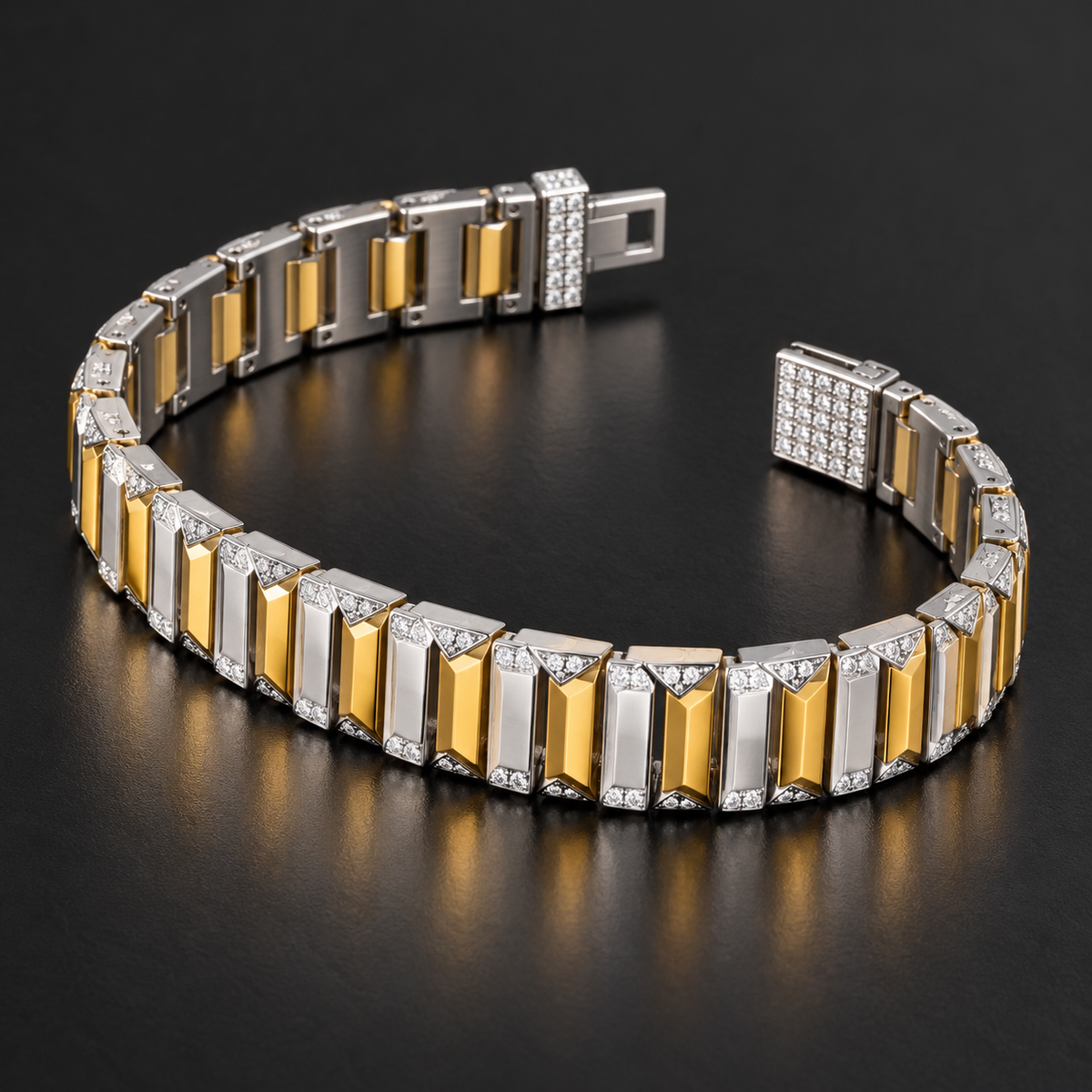
4. What Makes Silver Look Black?
Oxidised silver gets its darker appearance through a controlled oxidation process. Instead of trying to keep the silver completely bright, the surface is intentionally darkened.
This creates a vintage, antique or slightly dramatic look. Oxidisation can also make patterns and tiny details stand out more clearly, which is why it is popular in traditional, ethnic and bohemian-inspired jewellery.
If you prefer darker finishes, explore statement designs in Kara's silver jewellery sets.

5. Where Do Bright Colours Come From?
Not every colourful jewellery piece gets its colour from metal plating. Jewellery-grade enamel can be used when designers want stronger and more playful shades.
Enamel can create colours such as blue, green, pink, red, black and white. Depending on the technique, the enamel is applied to selected areas of the jewellery and finished to create a smooth decorative surface.
This makes enamel especially useful for jewellery designs where colour is meant to be part of the main design rather than simply changing the overall metal tone.
6. Sometimes the Metal Isn't Coloured at All
There are also jewellery pieces where the silver itself remains unchanged. Instead, gemstones provide the colour.
Different gemstones can naturally bring different shades to a design. Sapphire can add blue, emerald green, ruby red and amethyst purple. Other stones can introduce yellow, pink or light blue tones.
This approach allows the silver to keep its natural appearance while the gemstone becomes the main source of colour. A colourful stone can instantly transform a simple silver necklace or pendant.

Is Coloured Silver Jewellery Real Silver?
Yes, it can be. The presence of colour does not automatically mean that the jewellery is fake or made from another metal.
A piece can have a 925 sterling silver base with an additional finish on top. For example, the base may be sterling silver while the visible surface has rhodium, gold, rose-gold or an oxidised finish.
This is why it is useful to check the product description and purity information before buying jewellery rather than judging the metal only by its colour.
Does Plating Change the Silver Underneath?
No. Plating is generally a surface layer applied over the underlying jewellery. The silver base remains underneath the finish.
However, because plating is a surface treatment, it can gradually become less visible with frequent wear. Areas that experience more rubbing, such as rings and bracelet surfaces, may show wear sooner than less frequently touched areas.
Will the Colour Fade?
Over time, some finishes can change or become lighter, especially when the jewellery is exposed regularly to friction, water, sweat, perfumes or chemicals.
This does not necessarily mean the jewellery is poor quality. Surface finishes naturally experience wear, particularly on pieces that are worn every day.
With the right care, you can help your jewellery maintain its finish for longer.
How to Care for Coloured Silver Jewellery
Keep it dry: Store coloured jewellery away from moisture when you are not wearing it.
Avoid chemicals: Perfume, hairspray, lotions and household chemicals can affect some jewellery finishes.
Remove before bathing: Take jewellery off before showering, swimming or exercising to reduce unnecessary exposure to water and sweat.
Clean gently: Use a soft, clean microfiber cloth rather than harsh cleaners or rough materials.
Store pieces separately: Keeping jewellery in separate compartments can reduce scratches caused by pieces rubbing against each other.
Which Finish Should You Choose?
The best finish depends on the look you enjoy. Rhodium is ideal if you prefer a bright white appearance. Rose gold adds a warm pink tone, while yellow gold plating gives silver a classic golden look.
If you like traditional or vintage-inspired designs, oxidised silver may be a better match. For colourful designs, look for enamel or gemstone details.
There is no single finish that is best for everyone. Your choice can simply come down to your style, how often you wear the piece and the kind of outfits you want to pair it with.
Why Finishing Techniques Matter
The finish is more than just a colour. It can change the entire personality of a jewellery piece. The same 925 silver base can look modern in rhodium, romantic in rose gold, bold when oxidised or playful with enamel.
These techniques give jewellery designers more freedom to create pieces for different tastes and occasions, from everyday minimal styles to statement silver earrings.
Colour Doesn't Mean Paint
One of the easiest ways to understand coloured silver jewellery is this: the colour is usually created through a finishing process, not ordinary paint.
Plating adds a thin metal layer, oxidation creates a darker surface, enamel adds decorative colour and gemstones bring their own natural or created shades. Each technique serves a different purpose.
Choose Jewellery That Fits Your Style
Whether you prefer classic silver, soft rose gold, warm yellow gold or dark oxidised finishes, there are many ways to wear sterling silver. You can keep your look minimal with a delicate pendant or add more personality with colourful earrings, rings and bracelets.
For a coordinated look, explore Kara's silver jewellery sets, or mix individual pieces to create combinations that feel more personal.
Kara Note
Beautiful colour does not take away from the beauty of silver. It simply gives jewellery another way to express your style. From bright rhodium to romantic rose gold and artistic oxidised finishes, modern techniques allow 925 sterling silver to take on many different personalities.
At Kara, we believe jewellery should be easy to understand, easy to style and made to become part of your everyday story. Choose the finish that feels most like you and let your jewellery do the rest.
Frequently Asked Questions
Is coloured silver jewellery made from real silver?
Yes. Coloured jewellery can be made using genuine 925 sterling silver with an additional plating, oxidation, enamel or gemstone treatment.
Is rose gold silver jewellery made from real gold?
Rose-gold-plated sterling silver generally has a thin rose-gold-toned metal layer over a silver base. The exact composition depends on the product and its plating process.
Is gold-plated silver the same as solid gold?
No. Gold-plated silver has a sterling silver base with a thin layer of gold on the surface. Solid gold jewellery is made primarily from gold alloy throughout the piece.
Does rhodium plating make silver jewellery look whiter?
Yes. Rhodium plating gives silver jewellery a bright, reflective white finish and is commonly used for a polished jewellery look.
Can coloured silver jewellery lose its colour?
Some surface finishes can gradually wear with regular use. Water, sweat, friction, perfumes and chemicals can speed up this process.
How can I make plated silver jewellery last longer?
Keep it away from water, perfumes and harsh chemicals. Remove it before swimming, bathing or exercising and store it separately in a dry place.
Can silver jewellery be replated?
In many cases, jewellery with a worn plating can be professionally replated. The suitability and process depend on the jewellery design and its existing finish.
What is oxidised silver?
Oxidised silver is silver that has been intentionally darkened through a controlled treatment. It creates a vintage or antique-style appearance and can highlight design details.
What gives colourful silver jewellery its colour?
The colour may come from plating, oxidation, enamel or gemstones. The exact method depends on the jewellery design.
Silver jewellery doesn't have to look the same every time. A single 925 sterling silver base can be transformed into bright, warm, dark or colourful designs through different finishing techniques.
One silver base. Many finishes. Endless ways to express your style.
Explore Kara's 925 Sterling Silver Jewellery and discover your favourite finish.
0 comments