

Diamonds have always been a symbol of love, celebration, and timeless style. But today, there’s another way to experience that sparkle: lab-grown diamonds.
They look like traditional diamonds, have the same basic chemical composition, and are created using advanced technology instead of being formed naturally beneath the earth.
So, what exactly is a lab-grown diamond? Is it a real diamond? And how is it different from a natural diamond?
Let’s break it down. 💎
💎 What Is a Lab-Grown Diamond?
A lab-grown diamond is a diamond created in a controlled laboratory environment using technology that replicates the conditions under which diamonds form naturally.
Unlike diamond simulants such as cubic zirconia or moissanite, lab-grown diamonds are actual diamonds, not simply diamond lookalikes.
They are primarily made of carbon arranged in the characteristic crystal structure of diamond.

Lab diamond. Modern story
Are Lab-Grown Diamonds Real Diamonds?
Yes.
A lab-grown diamond is a diamond. The main difference is where it is formed.
- Natural diamond: Forms naturally beneath the Earth's surface through geological processes.
- Lab-grown diamond: Grows in a controlled laboratory environment using advanced diamond-growth technology.
Both can display the characteristic hardness, brilliance, and optical properties associated with diamond.
Natural vs Lab-Grown Diamond
| Feature | Natural Diamond | Lab-Grown Diamond |
|---|---|---|
| Origin | Formed naturally underground | Created in a laboratory |
| Material | Carbon | Carbon |
| Crystal structure | Diamond | Diamond |
| Appearance | Diamond brilliance | Diamond brilliance |
| Hardness | 10 on Mohs scale | 10 on Mohs scale |
| Formation | Natural geological process | Controlled technological process |

How Are Lab-Grown Diamonds Made?
There are two major methods used to grow diamonds.
1. HPHT — High Pressure High Temperature
HPHT technology recreates extremely high pressure and temperature conditions similar to those involved in natural diamond formation.
A small diamond seed is placed in a controlled environment where carbon crystallizes around the seed, gradually forming a diamond.
2. CVD — Chemical Vapour Deposition
CVD uses a diamond seed inside a controlled chamber.
Carbon-containing gases are introduced and activated, allowing carbon atoms to deposit onto the diamond seed layer by layer.
Both methods can produce gem-quality diamonds.

Lab-Grown Diamond vs Diamond Simulant
This is where things can get confusing.
Lab-grown diamond = diamond.
Diamond simulant = diamond alternative.
Cubic zirconia and moissanite, for example, can resemble diamonds but are different materials.
So when shopping for jewellery, always check whether the product is described as a lab-grown diamond, natural diamond, or diamond simulant.
Understanding this difference helps you know exactly what you're buying.
Why Are Lab-Grown Diamonds Becoming Popular?
The jewellery world is evolving, and shoppers are increasingly looking for a combination of design, quality, transparency, and value.
Lab-grown diamonds offer another option for people who want diamond jewellery without choosing a mined diamond.
They can be used in:
- 💍 Engagement rings
- ✨ Diamond earrings
- 📿 Diamond pendants
- 💎 Everyday fine jewellery
- 🎁 Special occasion gifts
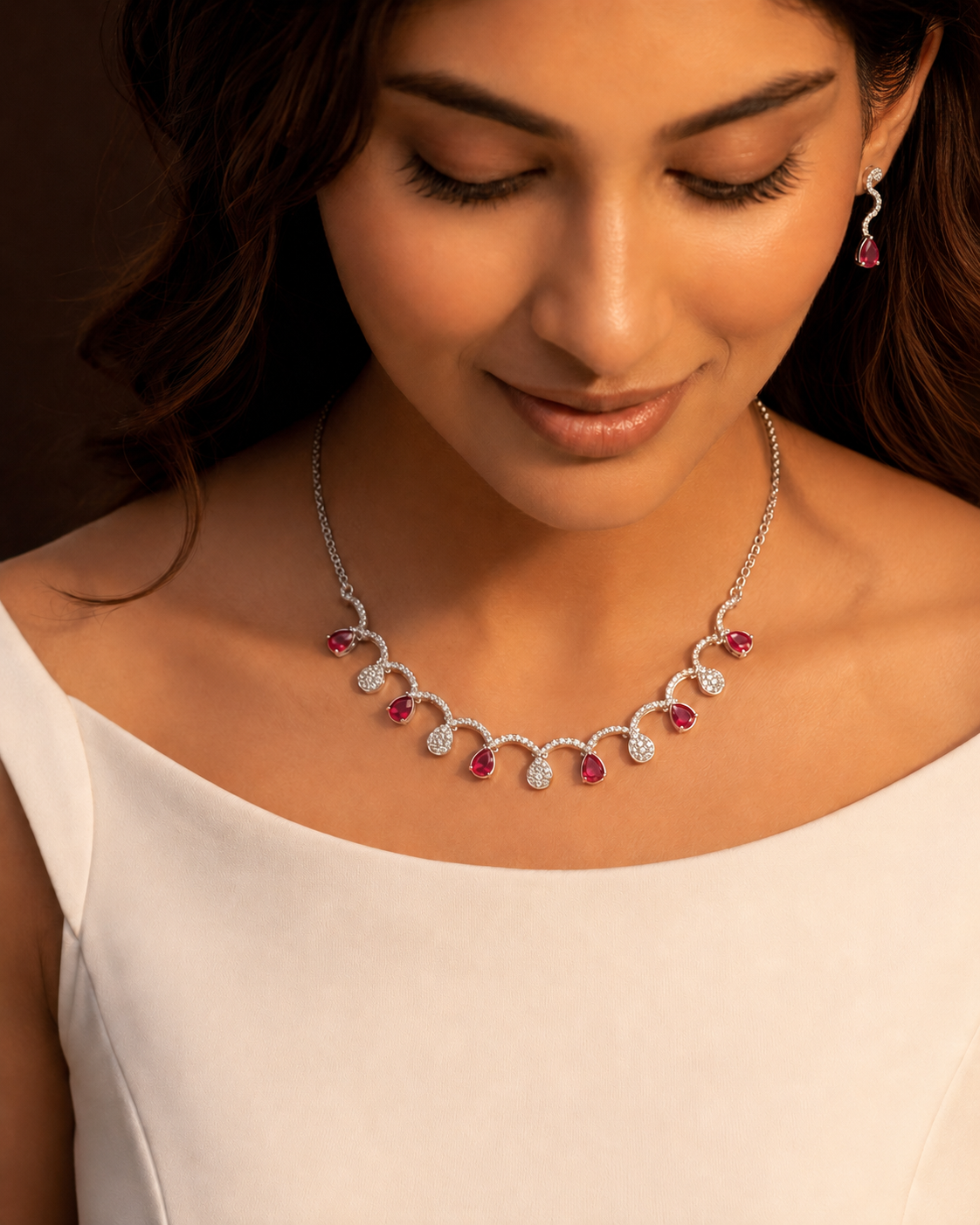
Made for celebrations, milestones and everyday sparkle.
Are Lab-Grown Diamonds More Affordable?
In general, lab-grown diamonds can cost less than comparable natural diamonds.
However, the exact price can vary depending on factors such as:
- Carat weight
- Cut
- Colour
- Clarity
- Certification
- Brand
- Market conditions
A different price point may allow you to explore a larger stone or a different jewellery design.
But remember:
Bigger isn't always better.
The right diamond is about the combination of cut, proportions, quality, design, and what you personally love.
Do Lab-Grown Diamonds Lose Their Sparkle?
No.
A lab-grown diamond doesn't stop being a diamond simply because it was created in a laboratory.
Its appearance and brilliance depend on factors such as cut, clarity, colour, and craftsmanship.
Just like other diamond jewellery, regular cleaning and proper care can help maintain its sparkle.
Are Lab-Grown Diamonds Sustainable?
This question needs a little nuance.
Lab-grown diamonds avoid traditional mining, but their production still requires energy and industrial resources.
The environmental impact can vary depending on factors such as:
- How the diamond is produced
- Energy sources used
- Manufacturing efficiency
- Location of production
So instead of assuming that every lab-grown diamond is automatically “eco-friendly,” look for specific information about its production and sourcing.
How to Choose a Lab-Grown Diamond
Shopping for a lab-grown diamond? Start with the classic 4Cs.
Cut
Cut has a major impact on how much a diamond sparkles.
Colour
Colour grades indicate how close a diamond is to being colourless.
Clarity
Clarity refers to internal and external characteristics, commonly called inclusions and blemishes.
Carat
Carat refers to a diamond's weight, not simply its visual size.
Pro tip: Don't focus only on carat. A well-cut diamond can look more brilliant and visually appealing than a larger stone with weaker proportions.

Should You Buy a Lab-Grown Diamond?
There isn't one right answer for everyone.
A lab-grown diamond may appeal to someone looking for:
Modern technology + diamond quality + design flexibility + potentially lower cost.
A natural diamond may appeal more to someone who values its natural geological origin and traditional diamond story.
The choice ultimately comes down to your priorities, budget, style, and the story you want your jewellery to represent.
FAQs About Lab-Grown Diamonds
Is a lab-grown diamond a real diamond?
Yes. Lab-grown diamonds are diamonds created in controlled laboratory environments rather than formed naturally underground.
Are lab-grown diamonds fake?
No. They are different from diamond simulants such as cubic zirconia. Lab-grown diamonds have the same basic carbon crystal structure as natural diamonds.
Are lab-grown diamonds good for engagement rings?
Yes. They can be used in engagement rings and other fine jewellery when the stone and setting are selected appropriately.
How long do lab-grown diamonds last?
Diamonds are extremely hard and durable. With normal jewellery care, a lab-grown diamond can last a lifetime.
Can you tell a lab-grown diamond from a natural diamond by looking at it?
Usually not simply by looking at it. Specialized gemological testing can identify whether a diamond is laboratory-grown or natural.
Lab-Grown Diamonds: A New Chapter in Diamond Jewellery
Diamonds are timeless—but the way we create and choose them is evolving.
Lab-grown diamonds bring together technology, craftsmanship, and the classic beauty of diamond jewellery.
So whether you choose natural or lab-grown, focus on the things that matter most: quality, authenticity, craftsmanship, and a design you'll love wearing.
Because the best sparkle is the one that feels like you.
0 comments